
How Much Does It Cost to Rent a 9-Seater Minibus?
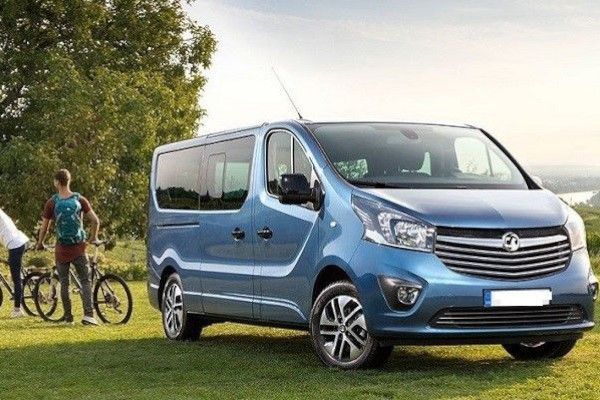
Everything You Need to Know About Prices and Costs
When considering renting a 9-seater minibus, most people start with the same question: How much will it actually cost? At first glance, the answer may seem straightforward, as most car rental companies display their daily rental rates on their websites. However, the final cost depends on far more than the advertised daily price. The rental period, the distance travelled, the season, insurance coverage, and the terms of the rental agreement all influence the total amount you will ultimately pay. Many people worry that an attractive-looking offer may come with unexpected extra charges later, while others wonder whether security deposits of several hundred thousand forints are really justified.
These are perfectly reasonable concerns, as renting a 9-seater minibus is typically associated with family holidays, business trips, group excursions, or international travel—occasions when nobody wants unpleasant surprises.
The daily rental fee alone does not reflect the true value of an offer. It is worth understanding exactly what services are included in the price, what the security deposit covers, how mileage is calculated, and under what circumstances additional costs may arise. Once you are familiar with these details, it becomes much easier to choose a rental company that offers not only competitive pricing but also transparent and predictable terms.
What Determines the Rental Price of a 9-Seater Minibus?
Determining the rental price of a minibus is far more complex than simply setting a daily rate. The vehicle's purchase price, age, equipment level, maintenance costs, and expected mileage all play a role in determining its rental category. Naturally, a newer model commands a higher rental fee than an older vehicle, while also offering significantly greater comfort for passengers. Modern driver assistance systems, automatic transmission, advanced climate control, and improved fuel efficiency are all benefits reflected in the rental price.
Seasonality also has a considerable impact on pricing. During the summer holiday season, public holidays, and long weekends, demand increases substantially. As available vehicles are booked quickly, rental prices naturally rise. During quieter periods of the year, the very same minibus may be available at significantly lower rates.
The length of the rental is another important factor. Most rental companies offer lower daily rates for longer bookings. Renting a vehicle for a single day generally results in a higher daily cost than renting it for a week or two. This is because administration, vehicle preparation, cleaning, and inspection require the same amount of work regardless of whether the vehicle is rented for one day or ten. The vehicle's equipment level can also affect the final price. Some minibuses are equipped with satellite navigation, a reversing camera, parking sensors, dual sliding doors, or even a premium interior, while others focus on more basic functionality. Although these differences may seem minor at first, they can provide a significant increase in comfort during longer journeys.
Why Can Rental Prices Differ So Much?
Many people are surprised to find that quotes from two different rental companies for exactly the same dates can differ by tens of thousands of forints. This does not necessarily mean that the cheaper offer is the better choice, nor does a higher price automatically guarantee superior service. One of the biggest differences lies in exactly what is included in the advertised price. Some rental companies include all essential services within a single fee, while others charge separately for items such as international travel permission, an additional driver, GPS navigation, or certain insurance options.
It is also worth checking how much mileage is included in the quoted price. An offer with a daily allowance of 400 kilometres may result in very different total costs for a multi-country European road trip compared to a package that offers unlimited mileage. The condition and quality of the vehicle fleet also contribute to pricing differences. Maintaining a modern, regularly serviced fleet is considerably more expensive for the rental company, but it also reduces the likelihood of mechanical issues, provides more advanced safety features, and delivers a more comfortable travel experience.
Professional tip: When comparing prices, always evaluate the complete service package. An offer that initially appears more expensive may actually provide better value if insurance, unlimited mileage, or permission for international travel are already included in the rental price.

Why Is a Security Deposit Required When Renting a 9-Seater Minibus?
For many renters, the security deposit is one of the most sensitive aspects of the rental process. It is not uncommon for someone to find the daily rental price perfectly reasonable, only to discover before signing the agreement that they must also provide a deposit worth several hundred thousand forints. This often raises the question of whether such a large amount is really justified or whether it is simply an additional cost the rental company wants to hold temporarily.
In reality, a security deposit is not a fee but a form of financial security. There is an important distinction between the two. The rental fee is the payment for the service and is retained by the rental company, while the security deposit is refunded to the renter once the rental agreement has been fulfilled correctly. If the vehicle is returned in the agreed condition and no additional charges covered by the contract arise, the full deposit is refunded.
A 9-seater minibus represents a significant investment. A modern vehicle can easily cost between €50,000 and €80,000 or more, and repair costs are considerably higher than those of a standard passenger car. Replacing a damaged bumper, repairing a dent, or installing a new headlight can easily amount to thousands of euros. The security deposit helps protect against such potential costs. Many people assume that comprehensive insurance eliminates the need for a deposit. In reality, most insurance policies include an excess (deductible) that remains the renter's responsibility in the event of damage. In addition, certain situations are often excluded from insurance coverage, such as damage caused by misuse of the vehicle, lost keys, or certain types of interior damage.
Our professional insight: Security deposit amounts vary between rental companies. This depends not only on the value of the vehicle but also on the insurance package provided, the level of risk the rental company assumes, and the terms under which the vehicle is rented. Therefore, a higher or lower deposit alone should not be used to judge a rental company. It is far more important to understand under which circumstances deductions may be made and how the refund process works.
When Is the Security Deposit Refunded in Full?
In most cases, the security deposit is returned without any issues. If the minibus is returned undamaged, on time, with all accessories present, and no additional charges arise, the deposit is usually refunded shortly afterwards. For this reason, carrying out a thorough inspection during both vehicle collection and return is essential. Proper documentation protects both the renter and the rental company. Photographs, a detailed handover report, and accurate records of any pre-existing damage can help prevent misunderstandings later.
Experienced renters usually complete a few simple checks before setting off:
- Take photographs of the vehicle's exterior and interior.
- Check the tyres, fuel level, and all included accessories.
- Review the handover report and request that any existing damage or missing items be documented.
- Ask about the correct procedure in case of a breakdown or accident.
These simple steps only take a few minutes but provide valuable peace of mind for both parties.
Are There Really Any Hidden Costs?
The subject of hidden costs arises in almost every discussion about vehicle rental. Many customers worry that an attractive-looking offer will eventually become far more expensive than expected. With a reputable rental company, there should be no hidden charges. Any fee that may be payable by the renter should be clearly stated in the quotation, rental terms, or rental agreement. Unexpected costs usually arise because the renter has not carefully reviewed the conditions or has compared offers based solely on the advertised daily rental rate.
For example, one rental company may advertise a lower daily price but charge additional fees for international travel, an additional driver, or optional insurance. Another company may have a higher daily rate, but these services are already included in the quoted price. In the end, the total cost of both offers may be very similar. It is also important to understand the fuel policy. Most rental companies provide the vehicle with a full tank and expect it to be returned the same way. If this requirement is not met, the renter may be charged for refuelling as well as an administrative fee. While this is not a hidden cost, it can become an unpleasant surprise for those who have not read the rental conditions carefully.
The same applies to late returns. If the vehicle is returned after the agreed time, the rental company may need to reschedule subsequent bookings. For this reason, most providers apply a late return fee, which should also be clearly specified in the rental agreement.
Our professional advice: Before signing the rental agreement, ask any questions you may have. A reliable rental company will explain every potential cost clearly and ensure that there are no uncertainties before you collect the vehicle.
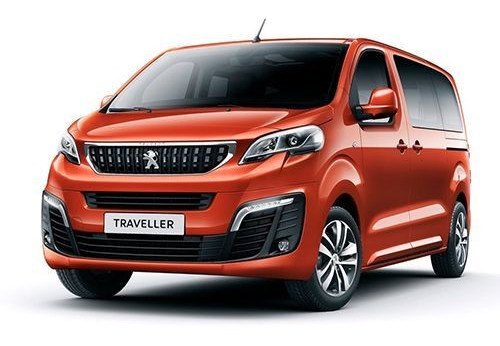
How Does Mileage Work When Renting a Minibus?
Mileage is one of the aspects of vehicle rental that often causes the most confusion. However, once you understand the basic principles, it becomes much easier to compare offers and estimate the total cost of your trip. Many renters focus solely on the daily rental price, while overlooking the fact that the mileage allowance included in the agreement can have a significant impact on the final cost. Rental companies use different pricing models. Some provide a daily mileage allowance, while others calculate a total mileage limit for the entire rental period. There are also rental packages with unlimited mileage, allowing the vehicle to be used without distance restrictions, provided the rental agreement is followed. Mileage limits are not imposed arbitrarily. Every kilometre driven contributes to vehicle depreciation, increases wear on components, and brings the vehicle closer to its next scheduled service.
Rental companies must account for these long-term operating costs, which is why many packages include a mileage allowance. For most trips, this is not an issue. A weekend family getaway or a short domestic journey rarely exceeds the included mileage. The situation changes when the minibus is rented for an extended business trip, a skiing holiday, or a multi-country European tour. In these cases, the expected mileage may exceed the allowance included in the standard package.
Professional tip: Before booking, estimate your planned route. You don't need an exact kilometre-by-kilometre itinerary, but having a rough idea of the expected distance will help you choose the most suitable rental package. A return trip from Budapest to Croatia, for example, requires a very different mileage allowance than a road trip across several European countries.
What Does Unlimited Mileage Really Mean?
Unlimited mileage is one of the most attractive rental options, especially for customers planning longer journeys. At first glance, it sounds as though there are absolutely no restrictions on how the vehicle can be used. In reality, the situation is slightly more nuanced. In most cases, unlimited mileage simply means that the rental company does not charge additional fees based on the total distance travelled. This gives renters greater peace of mind, as they do not need to constantly monitor the odometer, and unexpected detours or route changes will not result in additional mileage charges.
However, unlimited mileage does not mean the vehicle can be used anywhere or for any purpose. The rental agreement may still specify geographical restrictions, approved countries, or rules regarding the intended use of the vehicle. For example, unlimited mileage may only apply within Hungary, while international travel requires prior approval. Similarly, entry into certain countries may only be permitted with the rental company's written consent. The greatest advantage of unlimited mileage is predictability. At the end of the rental period, there is no need to calculate excess mileage charges, making the total rental cost much easier to plan.
When Is Unlimited Mileage Worth Choosing?
There is no universal answer to this question, as the right choice depends entirely on the nature of your trip. If the minibus will mainly be used for city driving, a short weekend break, or journeys of only a few hundred kilometres, a package with a mileage allowance is often perfectly adequate. In these situations, paying a higher daily rate for unlimited mileage may provide little additional value. The situation is different for longer holidays or international road trips. Daily travel plans often change unexpectedly. A spontaneous detour, an extra sightseeing stop, or an alternative route can easily add several hundred kilometres to the journey. In these circumstances, unlimited mileage offers not only convenience but also valuable financial certainty.
When comparing rental offers, it is worth calculating the total expected cost rather than focusing solely on the daily rental rate. An offer with unlimited mileage may initially appear more expensive but can ultimately prove to be the more economical option for longer journeys.
What Should You Check Before Signing the Rental Agreement?
Renting a 9-seater minibus becomes truly straightforward when every detail of the rental agreement is clear from the outset. Most disputes do not arise because the rental company introduces unexpected conditions later, but because the renter has not carefully reviewed the contract beforehand. Spending just a few extra minutes reading the agreement can prevent many misunderstandings. The first thing to verify is exactly what is included in the rental price. It is important to understand what the insurance covers, the deductible payable in the event of damage, the rules regarding international travel, the mileage policy, the fuel return requirements, and the conditions under which the security deposit is refunded.
The rental agreement protects both parties. It clearly defines the rights and responsibilities of the renter and the rental company. A well-written contract explains what happens in the event of a mechanical breakdown, who to contact after an accident, whether roadside assistance is available, and which deadlines must be observed. When collecting the vehicle, it is advisable to take enough time to inspect it thoroughly.
A modern minibus includes numerous features that should be checked before departure, including the air conditioning, lights, tyre condition, and mandatory safety equipment. Ensuring everything is in proper working order helps guarantee a safe and trouble-free journey. Good communication is just as important as the contract itself. A reliable rental company will answer every question openly, explain all rental conditions in detail, and never pressure customers into making a quick decision. If anything is unclear, it is always better to ask before setting off rather than trying to resolve issues during the trip.
How Can We Help?
Renting a 9-seater minibus becomes genuinely simple and stress-free when all important questions are answered before the booking is confirmed. At Rentauto, our goal is to provide more than just a vehicle—we offer a complete rental service designed to give our customers confidence and peace of mind throughout their journey.
With more than twenty years of industry experience, we understand exactly what matters when organising a family holiday, business trip, or group excursion. Our fleet consists of modern, regularly maintained minibuses suitable for both domestic and international travel.
We have designed our services to minimise administration while providing maximum flexibility. We offer 24/7 vehicle collection, complimentary insurance, and unlimited mileage within Hungary on eligible rental packages, allowing customers to travel without constantly monitoring their mileage. For international journeys, we prepare personalised quotations based on your planned route and travel requirements.
We believe that transparent communication is just as important as maintaining a high-quality fleet. Our team provides detailed information about rental conditions, insurance options, security deposits, and every aspect of the rental process, ensuring there are no surprises along the way.
If you are planning to rent a 9-seater minibus in Budapest for a family holiday, business trip, airport transfer, or any other occasion, contact us for a personalised quotation. We will help you choose the vehicle and rental package that best suit your needs, allowing you to focus entirely on enjoying your journey.