
7–9 Passenger Minibus Rental: Seasonal Trends, Use Cases, and Professional Considerations
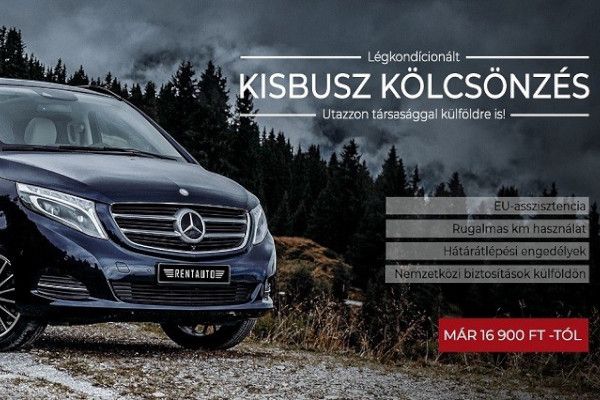
The rental of multi-passenger minibuses has established a steadily growing presence in the Hungarian car rental market over recent years. The 7–9 passenger category is particularly interesting because it bridges the gap between traditional passenger cars and larger chauffeured transportation services. This segment is not only about seating capacity but also about cost efficiency, flexibility, and the overall quality of the travel experience.
Demand is highly seasonal, yet remains present throughout the year, driven by varying motivations and travel purposes.
In this article, we examine when demand for 7–9 passenger minibuses becomes most intense, who the typical renters are, and in which specific situations and travel scenarios this need arises. We also explore the differences between domestic and international use and highlight several frequently overlooked factors that can later result in additional costs or risks.
When Does Minibus Rental Become Most Popular?
Demand patterns closely reflect people's travel and leisure habits. The strongest rental season clearly extends from late spring to early autumn. Interest begins to increase noticeably toward the end of May, with booking activity becoming particularly intense throughout June.
The peak season occurs during July and August, when a significant portion of available vehicles are reserved well in advance. During this period, it is not uncommon for certain models to be fully booked several weeks ahead.
Several factors contribute to this seasonal surge. Summer vacation schedules, school holidays, and favorable weather conditions all encourage larger group travel. Weekends are especially critical. From Friday through Sunday, fleet utilization often remains consistently high, resulting in higher rental rates and more limited availability.
Demand declines during autumn but does not disappear. September and October often remain relatively busy due to shorter leisure trips and corporate events. During winter, demand shifts once again. Around Christmas and New Year's Eve, bookings increase due to family visits and ski trips. Rental periods are also typically longer during this season, often extending to a full week or more.
Who Rents 7–9 Passenger Minibuses?
The customer base is diverse but follows several clearly identifiable patterns.
The largest segment consists of groups of friends. These customers are generally seeking shared experiences, whether for holidays, festivals, or extended weekend getaways. For them, the minibus is not merely a means of transportation—it becomes part of the journey itself. The shared experience begins from the moment they depart, creating additional value throughout the trip.
The second major customer group consists of large families. Multiple generations often travel together, making it important for everyone to fit comfortably into a single vehicle.
This provides not only logistical advantages but also significant cost savings. Operating one vehicle is often more economical than using two or three smaller cars. Comfort and safety are particularly important to family travelers, who frequently opt for longer rental periods.
Corporate clients form a distinct category. They typically rent minibuses for team-building events, corporate gatherings, or business-related travel. In these cases, reliability, predictability, and professional service are critical factors. Vehicle condition, documentation accuracy, and smooth administrative processes carry much greater importance.
A smaller but stable segment consists of sports clubs and hobby groups. These customers regularly travel to competitions, training camps, and organized events. For them, minibus rental is often a recurring requirement rather than a one-time decision. Long-term cooperation and consistent service conditions are often more important than the lowest possible rental price.
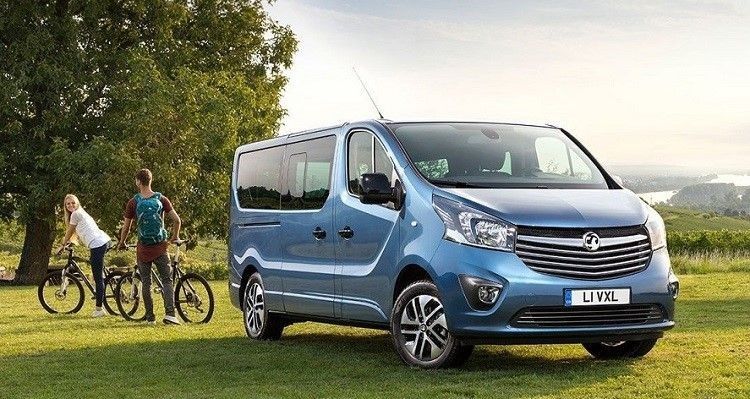
What Are Minibuses Most Commonly Used For?
The variety of use cases demonstrates how versatile 7–9 passenger vehicles can be in different life situations.
The most common purpose is holiday travel. Coastal destinations are particularly popular because many attractive locations can easily be reached by road. Croatia, Italy, Austria, and Slovenia are among the most common destinations, where the ability to travel at one's own pace and make spontaneous stops offers a significant advantage.
Festival travel represents another major area of demand. In these situations, the minibus serves not only as transportation but also as a practical solution for carrying equipment and luggage. Tents, coolers, and other gear make cargo space a key consideration.
For city-break trips and shorter excursions, a minibus provides comfortable and cost-effective transportation. Since multiple people share the travel costs, the expense per person decreases significantly. This is particularly important for younger travelers, who are generally more price-sensitive.
Business-related use often includes transporting equipment as well. While not a dedicated cargo vehicle, a minibus can accommodate smaller quantities of tools and supplies. This dual-purpose functionality makes it a practical solution for many businesses.
What Should You Consider for Domestic Use?
At first glance, domestic rentals may appear straightforward, but several important details can significantly affect the overall experience.
Understanding the rental agreement is essential. Mileage limitations are frequently underestimated. Many rental contracts specify daily mileage limits, and exceeding them can result in substantial additional charges.
Insurance conditions are equally important. The amount of the security deposit and the insurance excess directly affect the renter's financial risk. It is not enough to know that insurance exists—the details matter. Even minor damage can result in costs amounting to several hundred thousand Hungarian forints if the deductible is high.
Inspecting the vehicle's condition at pickup is also crucial. Any discrepancy between documented damage and the actual condition of the vehicle may lead to disputes later. Taking photographs or videos of the vehicle is a common and highly recommended practice that significantly reduces the risk of misunderstandings.
Equipment levels should not be overlooked either. The proper operation of the air conditioning system, tire condition, and the presence of a spare wheel may seem like convenience issues, but they can become extremely important during longer journeys or unexpected situations.
What Should You Consider for International Use?
International rentals involve additional considerations and are generally more complex.
One of the most important issues is whether international travel is permitted. Not all rental companies automatically allow border crossings, and many require prior notification or charge an additional fee. Failing to obtain authorization may create insurance complications.
Highway toll systems also vary significantly between countries. Some countries use electronic vignettes, while others operate toll booth systems. Renters should clarify in advance whether the vehicle already has the required toll authorization or whether they must obtain it themselves. Failure to comply can result in substantial fines.
The territorial validity of insurance coverage is another critical issue. Not all policies provide the same level of protection in every country. Having a Green Card and understanding the insurance conditions are essential. Managing an accident abroad is often considerably more complicated than handling a domestic incident.
Differences in traffic regulations also require attention. Speed limits, mandatory equipment, and local driving rules vary by country. Lack of familiarity with these regulations may result not only in fines but also in potentially dangerous situations.
Parking can be particularly challenging in major cities. Larger vehicles are more difficult to park, and parking fees may be higher. This is especially true in popular tourist destinations where traffic congestion and limited parking capacity are common.
The Real Factors Behind the Decision
Renting a minibus is not merely a logistical decision. The motivation often extends beyond pricing and seating capacity.
One of the most important factors is the shared travel experience. People do not simply want to reach a destination—they want to travel together. This experience creates significant value and often outweighs purely economic considerations.
Flexibility is another major advantage. The ability to travel at your own pace, make spontaneous stops, and freely choose your route provides benefits that many other transportation methods cannot offer. This becomes particularly valuable on longer trips where the journey itself is part of the overall experience.
Cost sharing also plays a crucial role. When rental fees and fuel expenses are divided among several travelers, the individual cost becomes significantly more affordable. This factor is especially attractive to younger travelers and larger groups.
How Can We Help with Minibus Rental?
We view 7–9 passenger minibus rental as much more than simply providing a vehicle. Our focus is on the customer's entire travel experience. Our goal is to make the rental process transparent, fast, and predictable while offering practical solutions for every situation.
Our fleet has been carefully selected to meet real-world travel requirements. Seating capacity alone is not enough—the vehicle must also remain comfortable during longer journeys. Spacious interiors, flexible seating configurations, and generous luggage capacity ensure that even multi-week trips can be completed without compromise. We understand that family vacations and group trips often involve more luggage than originally planned, and we take this into account when recommending vehicles.
Flexibility is one of the cornerstones of our service. We provide conditions that do not unnecessarily restrict travel. Unlimited domestic mileage, the option for international travel, and comprehensive insurance solutions are designed to ensure that customers can focus on their journey rather than administrative limitations.
We also strive to simplify the logistical aspects of renting a vehicle. Pickup and return procedures are handled flexibly because we understand that organizing group travel can already be a complex task. Home delivery and pre-arranged handover locations are available to make the rental process as convenient as possible.
Our services are tailored to different travel situations. We offer child seats, multiple-driver registration options, and chauffeur-driven services when required. We understand that sharing driving responsibilities during long journeys is often a safety consideration rather than merely a convenience.
Our minibuses are not limited to holiday travel. Customers regularly use them for events, sports competitions, team trips, and airport transfers. We have designed our services to provide reliable and cost-effective solutions across all these scenarios.
In our day-to-day operations, we focus on reducing uncertainty. We work with clear terms and conditions, discuss important details in advance, and remain available throughout the entire rental period. For us, true success means that customers remember their travel experience—not the rental process itself.
Our Professional Perspective
The 7–9 passenger minibus rental segment is a clearly defined yet dynamically growing area of the car rental market. Demand is highly seasonal but remains present throughout the year with varying levels of intensity and motivation.
The customer base is broad, ranging from groups of friends and large families to corporate clients and sports organizations. The success of the rental experience depends heavily on how well customers understand the details associated with the rental process. Contract terms, insurance coverage, and usage regulations are not administrative formalities—they are the foundation of a smooth and trouble-free experience.
The differences between domestic and international use are substantial, making it essential to clarify all conditions in advance. A well-prepared rental is not only more cost-effective but also safer and more predictable.
Ultimately, minibus rental is about much more than simply using a vehicle. It is a tool that enables shared experiences, independent travel, and efficient trip organization. This unique combination of benefits is precisely why the category continues to generate strong and stable demand year after year.